
Loading...
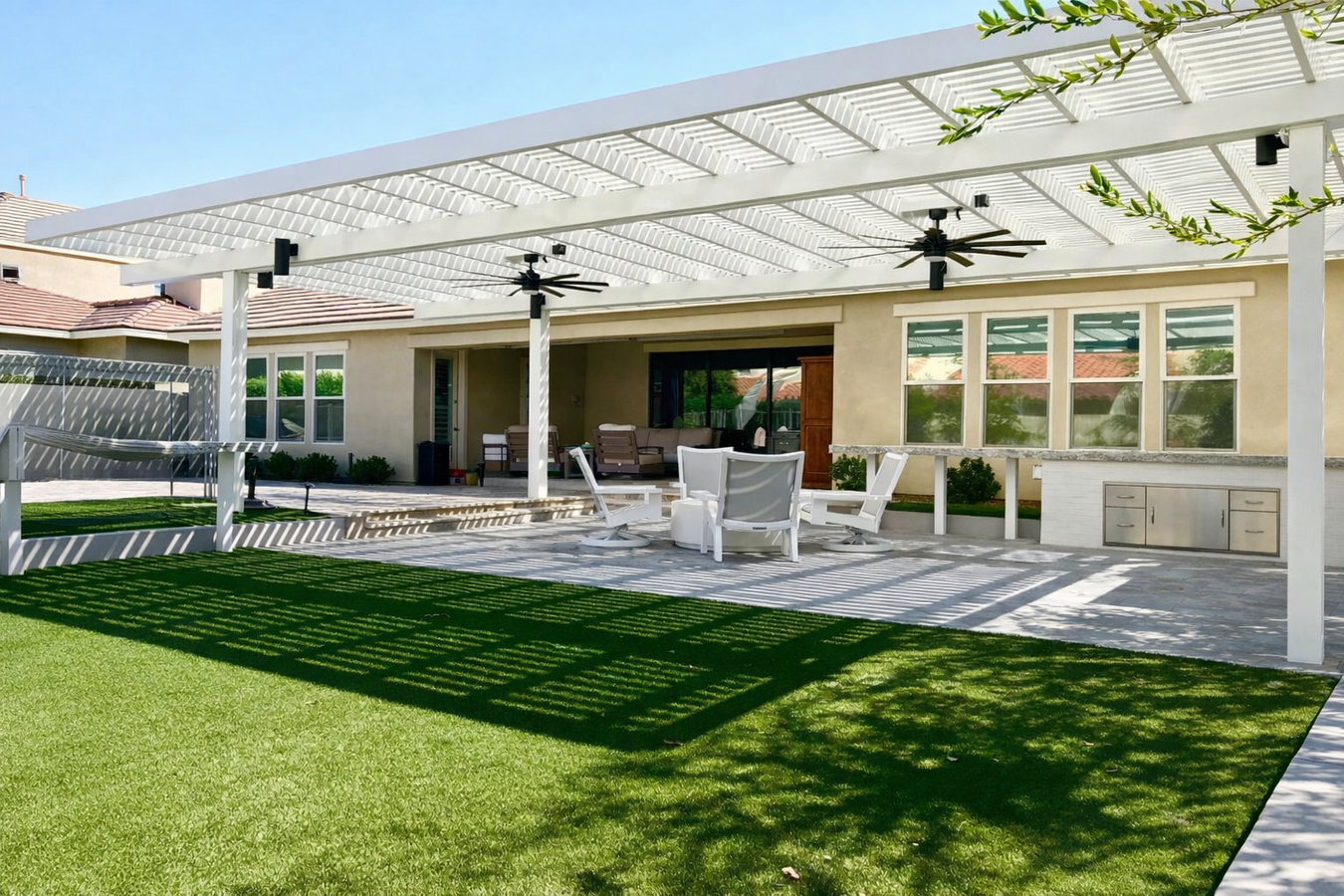
The Hammocks Lanai Sunrooms & Patios builds patio covers, screen rooms, sunroom additions, and patio enclosures for Homestead homeowners, handling city permits and Miami-Dade inspections on every project - serving the Homestead area since 2018.
The Hammocks Lanai Sunrooms & Patios builds patio covers, screen rooms, sunroom additions, and patio enclosures for Homestead homeowners, handling city permits and Miami-Dade inspections on every project - serving the Homestead area since 2018.
Most Homestead homes were rebuilt after Hurricane Andrew in 1992, which means a large share of the housing stock is now 25 to 30 years old - old enough that exterior materials, roofs, and outdoor structures are ready for an honest look. The city sits at the edge of the Everglades, where heat, humidity, and heavy summer rain are constants. Everything we build here is designed with that environment in mind.
Homestead backyards get intense afternoon sun from May through September, and an exposed patio is close to unusable during those months without shade. A patio cover attached to the house changes that - giving you a shaded, rain-protected outdoor area that holds up through summer thunderstorms and, when built with county-approved materials, stays intact through hurricane season as well.
Homestead is mosquito country, and anyone who has spent time outside here from June through October knows it. A properly sized screen room lets you use your backyard in the evening without the insect pressure, and the screened structure also provides rain protection during the afternoon thunderstorms that roll through almost daily in summer. We use Miami-Dade County product-approved aluminum framing on every screen room in this area.
Adding a sunroom to a Homestead home gives you fully enclosed, climate-controlled space that stays comfortable when it is 92 degrees and humid outside - which describes most of the year here. Homes rebuilt after Andrew were constructed to post-1992 code, so the existing slab and block walls are generally solid, and adding a permitted room addition is a natural extension of that structure when it is done right.
Many Homestead homes have rear slabs that were poured as part of the original build but were never enclosed. A patio enclosure converts that concrete platform into a usable room without the cost of a new foundation, and on homes where the existing slab is in good shape - as many post-Andrew builds are - the enclosure can go up relatively quickly once permits are in hand.
For Homestead homeowners who primarily want to use the space during the dry season from November through April, a three season sunroom offers a lower-cost option than a fully climate-controlled room. The cooler, drier months here are genuinely pleasant, and a screened or panel-ventilated three season room takes full advantage of that weather while keeping the space protected from rain and insects year-round.
Some Homestead homeowners have screen rooms or patios that were added in the years after Andrew - sometimes permitted, sometimes not - that are now showing their age. Stucco cracking at the connection points, corroded aluminum frames, and worn screen material are all common on structures that are 20 or more years old in this climate. Remodeling or replacing an existing enclosure is often faster and more cost-effective than a full tear-down and rebuild.
Homestead was largely destroyed by Hurricane Andrew in August 1992 and rebuilt almost from scratch in the years that followed. The result is a city where most homes date from the mid-1990s through the early 2000s - built to post-Andrew Florida building codes, which are significantly stronger than what existed before. These homes typically have CBS (concrete block and stucco) construction, tile roofs, and flat or slightly pitched rear slabs. While the post-Andrew building code makes for a solid structure, these homes are now reaching the age where roofs, exterior stucco, and any screen enclosures added in the years after construction are due for a real assessment. Stucco on homes in this age range has been through 25 or more wet seasons, and the connection points between original stucco and any additions or patches can be the first place water finds its way in.
The climate in Homestead is as demanding as anywhere in South Florida. The city sits at the southern tip of Miami-Dade County, close to the Everglades, and gets heavy afternoon thunderstorms almost every day from May through October. The land is flat, drainage is limited, and standing water around foundations and patios is common after heavy rain. Miami-Dade County's High-Velocity Hurricane Zone designation applies here, which means any enclosed structure - whether a simple screen room or a fully insulated sunroom addition - must use product-approved materials and meet the county's structural requirements. Homeowners who skip the permit process on an enclosure in Homestead are taking on real risk, both from the county and from their insurance carrier.
Our crew works throughout Homestead regularly, and we understand the local conditions that affect sunroom contractor work here. The homes we encounter most often are post-1992 builds with tile roofs and stucco block exteriors, typically sitting on flat lots where the soil holds moisture long after a rain event. We pull permits through the City of Homestead Building Division and coordinate Miami-Dade County product approvals on every project. The flat terrain here means drainage around a new patio slab or enclosure has to be thought through during the planning stage - not addressed after the concrete is already poured.
Homestead is a city most residents know through a few unmistakable landmarks. The main entrance to Everglades National Park is just a few miles west of downtown, and the park is a daily reality for residents who deal with the wildlife and moisture that come with living on the edge of the largest tropical wilderness in the country. Homestead-Miami Speedway is a major local landmark on the east side of the city, and the areas around it have seen steady residential development over the past decade. We also serve homeowners in nearby The Hammocks to the north, and in Kendale Lakes as well - both areas where the housing stock and permit landscape are well familiar to our team.
Contact us by phone or through the contact form and we will get back to you within one business day. We schedule a free on-site visit at your convenience - no commitment required until you have a written estimate and a clear understanding of the scope.
We visit your Homestead property, assess the existing slab, block walls, and roof attachment points, and prepare a written estimate covering all materials, labor, and permit fees. We discuss drainage and site conditions at this stage - it matters here. Cost questions are addressed before you commit to anything.
We prepare and submit the permit application to the City of Homestead Building Division, including any Miami-Dade County product-approval documentation required for the framing or glazing system. Plan for four to eight weeks for review. We do not begin construction until the permit is posted on site.
Most Homestead screen room and patio cover projects take one to two weeks of active construction. Sunroom additions take two to four weeks. We schedule all required inspections, walk you through the finished space, and hand over permit records when the project is closed out.
We serve Homestead and the surrounding South Florida area. Call today and we will schedule a free on-site visit - we handle city permits and Miami-Dade inspections so you are not navigating that process on your own.
(786) 435-0785Homestead is a city of about 75,000 people at the southern tip of Miami-Dade County, roughly 25 miles south of downtown Miami. The city is known as the gateway to both Everglades National Park and Biscayne National Park, which draw millions of visitors each year and shape the character of the surrounding community. Homestead was largely rebuilt after Hurricane Andrew struck in 1992, and the reconstruction gave the city a housing stock that is more uniform than most South Florida communities - primarily single-story and two-story single-family homes on modest lots, with stucco exteriors and tile roofs that reflect post-Andrew Florida building code requirements. Neighborhoods range from older blocks closer to downtown to newer subdivisions on the city's eastern edge, including communities like Waterstone that were developed in the 2000s and 2010s and attract families moving south from Miami to find more affordable homes.
The housing stock in Homestead skews toward owner-occupied single-family homes, with a mix of long-term residents and families connected to Homestead Air Reserve Base just east of the city. The area's flat terrain, proximity to wetlands, and heavy summer rain season mean that outdoor spaces here require real thought around drainage and materials selection - what works on a well-drained lot in a drier part of South Florida does not always translate here. The Fruit and Spice Park in the Redland area just west of Homestead is one of the community's most distinctive local attractions, reflecting the agricultural character that still defines this part of Miami-Dade. We also regularly work with homeowners in nearby The Hammocks to the north, where the climate demands and housing types are similarly well familiar to our crew.
Affordable three-season rooms that extend your outdoor living months.
Learn MoreScreen rooms that keep bugs out while letting fresh air flow freely.
Learn MoreConvert your existing patio into a fully enclosed sunroom addition.
Learn MoreTurn an underused deck into a bright, weather-protected sunroom space.
Learn MoreFloor-to-ceiling glass solariums that flood your home with natural light.
Learn MoreDurable patio covers that provide shade and protect your outdoor space.
Learn MoreCall us or request a free estimate online - we handle Homestead permits, Miami-Dade inspections, and construction so your home gets the outdoor space it deserves.